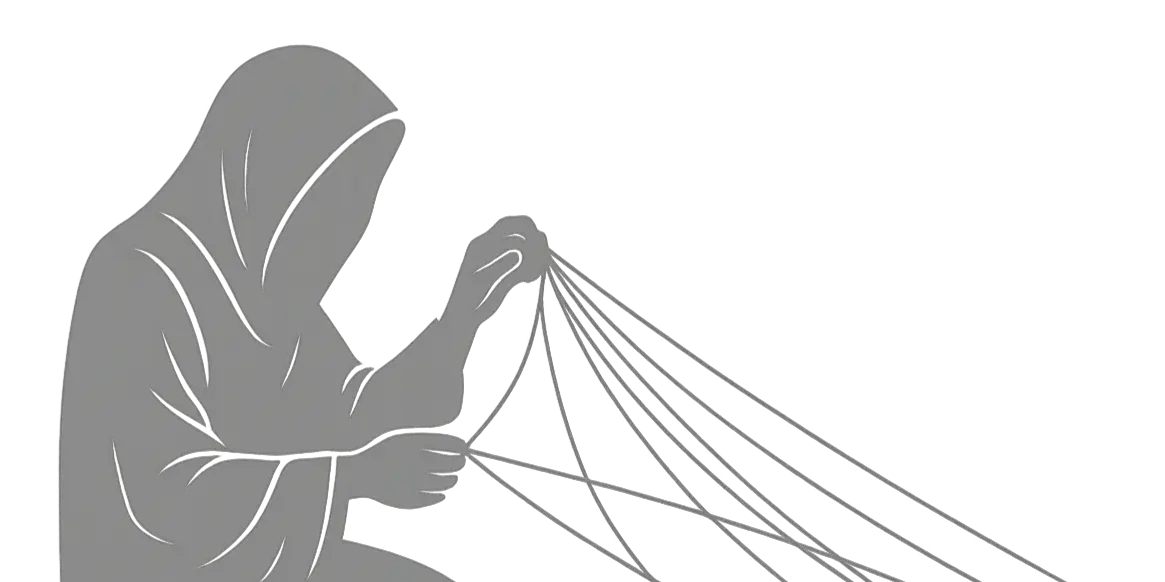
When Hope Is Not a Promise but a Refusal
There are people who do not hope with the conviction that everything will turn out well, but with the refusal to let things become meaningless. Their hope is not loud, but discreet. One could say: it does not die — it hides.
These people have an unusual relationship to despair. It does not strike them as tragedy, but as fatigue. Not as defeat, but as a functional disturbance between intention and action. They do not signal, they do not discharge, they do not conduct their battles outwardly. Their conflicts remain internal, and are therefore invisible.
In such people, an unusual substitute for action emerges: understanding. When doing becomes impossible, thinking begins its own work. Not to solve, but to map what is happening. Understanding becomes the way to keep the world in contour when one can no longer intervene.
This form of hope does not require a promise. It requires only that nothing remain unnamed. For what has been named is not lost. That is enough. Hope is then not a beam of light, but a kind of residual warmth. It does not promote a future, it merely prevents meaninglessness.
People of this type write with a precision that does not aim for effect. Not to gain an audience, but to avoid watching their own existence evaporate. Writing becomes an inventory: a catalog of thoughts, feelings, doubts, and insights before they dissipate. It is resistance without witnesses.
Perhaps they are hopeless optimists. Not because they are convinced that things will end well, but because they refuse to let the inevitable become meaningless. Their hope is not triumphant, but stoic. It does not die. It merely retreats — and waits for a moment in which it will be needed again.
And perhaps that is enough.